
China’s rapid rise as global power in twenty-first century
At the start of the millennium, China played a secondary role in global politics while Washington dominated the international order. That balance has since shifted. China now wields influence through trade, development financing, diplomatic outreach, and technological innovation, supported by an expanding military. This shift has been openly acknowledged in Washington, where official strategy documents described China as “the only competitor to the United States with the intent and, increasingly, the capacity to reshape the international order.”
China’s emergence as a global power was rooted in domestic transformation combined with deep engagement in international markets. Around 2000, China’s GDP per capita was below $1,000, far behind the United States. By 2024, that figure had risen sharply to more than $13,000, while the US figure exceeded $85,000, as stated by international economic data.
Trade played a decisive role in this rise. In the first 11 months of 2024, China recorded a trade surplus exceeding $1 trillion, compared with just over $24 billion at the turn of the century. The structure of global trade has also shifted. In 2001, most economies traded more with the United States than with China. By 2023, roughly 70% of the world’s economies — about 145 countries — conducted more trade with China than with the US.
While integration into globalization was key, analysts say internal political continuity also mattered. One China-based expert noted, “There has been very consistent, dedicated, and hardworking leadership,” highlighting governance stability as a major factor.
Despite rapid expansion at home and abroad, China’s public debt remains lower relative to GDP than that of the United States. In 2024, US public debt stood at about 124% of GDP, while China’s was under 90%, according to global financial estimates.
China’s growing diplomatic presence has been closely tied to its economic engagement.
Beijing now maintains the largest diplomatic network in the world, with more than 270 overseas missions, surpassing Washington several years ago. Its influence has been especially visible across developing regions.
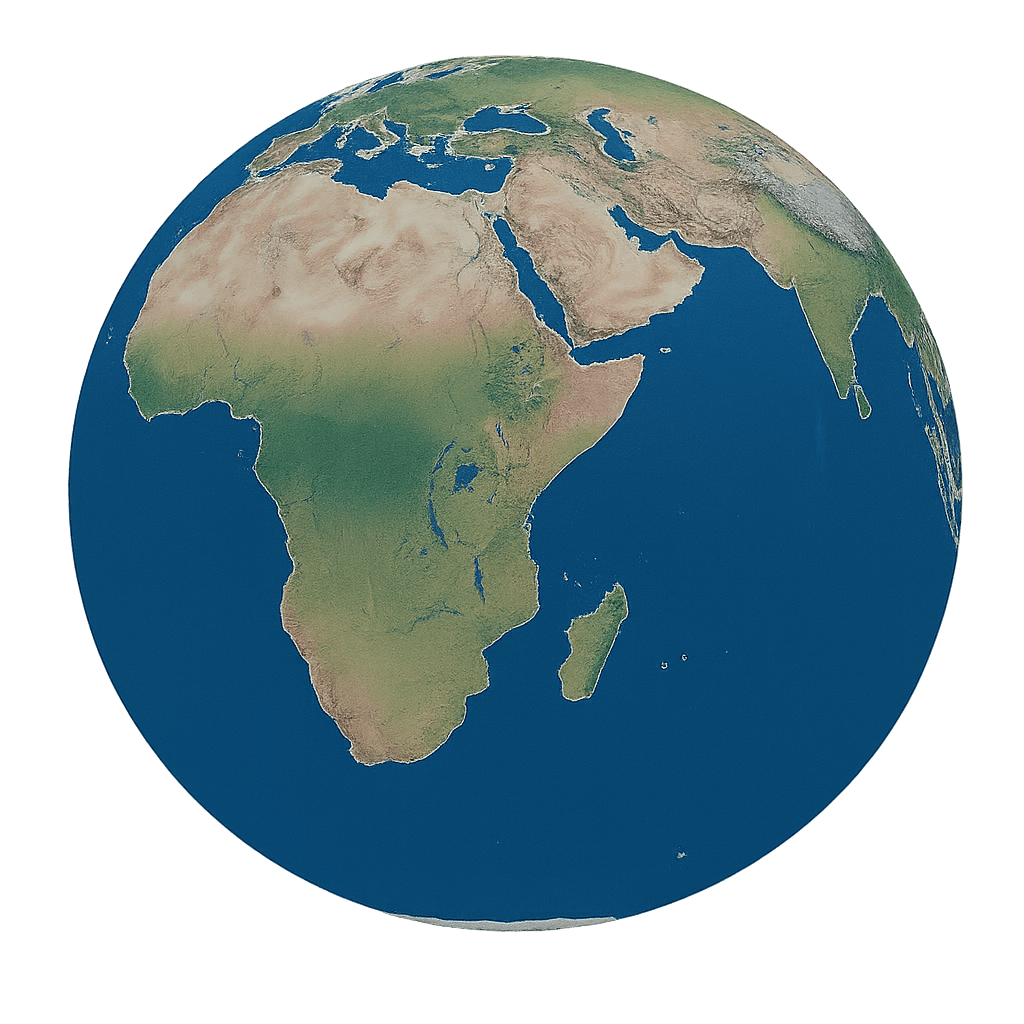
In Africa, China has remained the continent’s top trading partner for more than a decade, with trade volumes far exceeding those of the United States. Similar expansion has occurred in Latin America and the Caribbean, particularly in energy, infrastructure, and advanced industries.
Observers note that many developing countries increasingly see China as both a vital market and an alternative global partner. As one analyst explained, “The Global South is a source of raw materials for China, but also an important market for Chinese products.”
Experts argue that Beijing and Washington pursue fundamentally different strategies for global influence. One analyst summarized the contrast by saying, “The US continues to stress security – alliances, deterrence and military posturing. China focuses on development – infrastructure, connectivity, trade and technology – arguing that development is the master key to resolving many global problems.”
This development-centered approach has found receptive audiences in regions prioritizing industrial growth over security guarantees. In the Middle East, for example, China has become a major investor and technology supplier. An academic observer noted, “The economies of the two sides are highly complementary,” adding, “China has no interest in playing a role similar to the United States, and regional countries also don’t want that.”
To reinforce this model, Beijing has taken prominent roles in multilateral frameworks and institutions spanning finance, security, and trade. Much of its overseas engagement has also been channeled through the Belt and Road Initiative, which since 2013 has directed investment into more than 150 countries and international organizations.
China’s economic ascent has been accompanied by rapid military modernization. Defense spending grew from just over $40 billion in 2000 to more than $300 billion by 2024, according to international security assessments. China now produces most of its military equipment domestically and has become one of the world’s top arms exporters.
Over the past quarter century, Beijing has also assembled the world’s largest navy by number of vessels, reflecting industrial capacity rather than combat experience. Estimates suggest China’s battle force now exceeds 370 ships and submarines.
As one security expert put it, “China has clearly joined the club of big powers.” He added, “It has developed and deployed some of the most sophisticated weapons systems, with some parity with, if not exceeding, what the US and Russia possess.”
China’s nuclear arsenal has also expanded significantly, rising to an estimated 600 warheads today, compared with around 200 in the early 2000s, though still far smaller than those of the US and Russia. Strategic missile forces were elevated in 2015 to a full military branch, placing them at the core of China’s deterrence strategy.
Analysts caution that China lacks sustained real-world combat experience, which tests command and coordination under pressure. Unlike the United States, China maintains only one officially acknowledged overseas military base, opened in Djibouti in 2017. Even so, experts emphasize that China “cannot be dismissed militarily,” despite ongoing technological constraints in some advanced systems.
Under President Xi Jinping, technological self-sufficiency has become a central national goal, framed as building “new quality productive forces.” China has surged ahead in patents, research, and innovation, becoming the first country to surpass 5 million valid domestic invention patents and leading global international patent filings for several consecutive years.
Spending on research and development reached roughly $560 billion in 2024. China now dominates global exports of civilian drones and accounts for the majority of drone-related patent applications worldwide. Advances in artificial intelligence, 5G technology, robotics, electric vehicles, and renewable energy have further strengthened its industrial base.
Chinese firms now account for more than 70% of global electric vehicle production and hold a dominant share of the solar panel market, reinforcing the country’s role in shaping future energy and mobility systems.
China’s rise has also brought major improvements in living standards. Life expectancy increased from just over 70 years in 2000 to nearly 79 by the end of 2024, outpacing gains in several advanced economies. Extreme poverty fell dramatically, with hundreds of millions lifted above the poverty line within three decades.
Education has expanded on a massive scale, with thousands of universities enrolling tens of millions of students, and several institutions ranked among the world’s leading centers of learning.
At the same time, long-term challenges loom. An aging population and declining birth rates threaten to slow growth and strain social systems in the decades ahead.
Analysts say China’s global appeal lies less in ideology than in example. Its journey from widespread poverty to industrial and technological strength resonates across much of the developing world. One observer described this trajectory as modernization without Westernization — a path that allows countries to pursue growth and technological advancement without adopting Western political systems or alliances.
“Countries now have options,” he said, pointing to alternatives in infrastructure funding, digital networks, currencies, and satellite systems.
China’s rise, he added, was shaped not only by policy but also by historical timing. “After the Cold War, the US and Europe looked inward,” he said. “This is what gave China an opportunity.”
Legal Disclaimer:
EIN Presswire provides this news content "as is" without warranty of any kind. We do not accept any responsibility or liability for the accuracy, content, images, videos, licenses, completeness, legality, or reliability of the information contained in this article. If you have any complaints or copyright issues related to this article, kindly contact the author above.
