AGP Executive Report
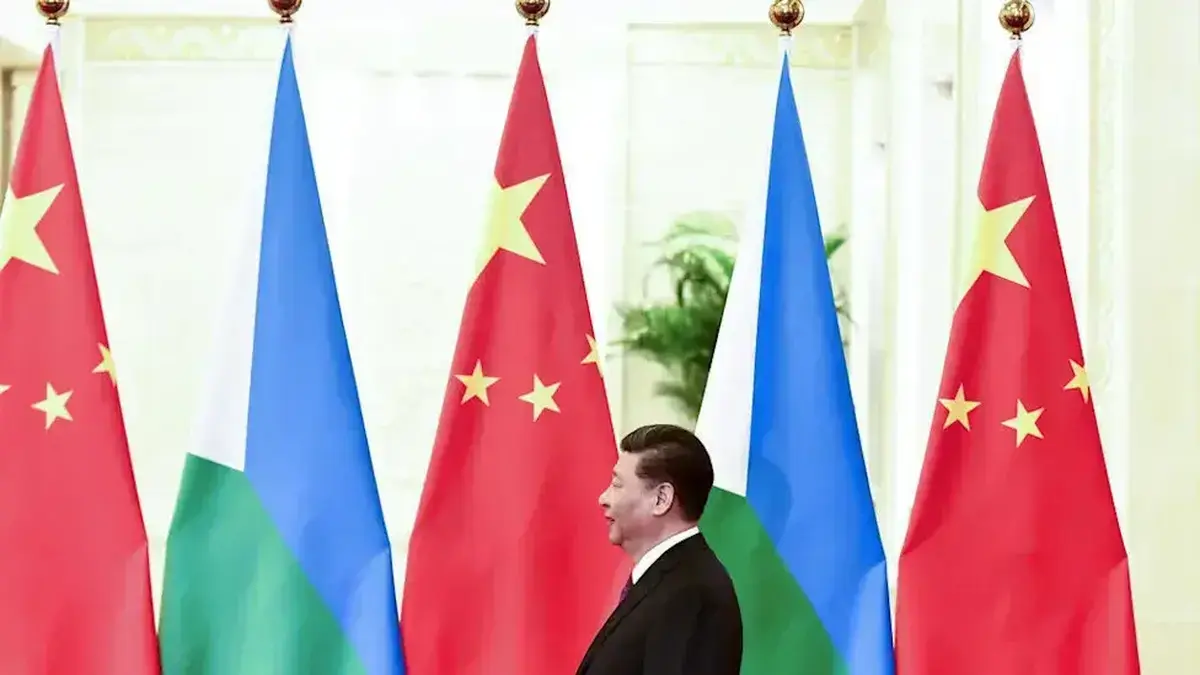
Last update: 9 hours agoRed Sea Shipping: Djibouti and China called for de-escalation on Monday, warning that instability threatens trade, energy supplies and food security. Any disruption to Bab el-Mandeb could raise shipping costs and delay deliveries. Trade Finance: Ghana became the first signatory to a new UN convention on cargo documents, joined by 25 other countries. The framework aims to help businesses use goods in transit as collateral and narrow Africa’s $74–92 billion trade-finance gap. Fuel Logistics: Dangote’s planned $50 billion African expansion includes a proposed Djibouti–Addis Ababa supply route, alongside a 24.76% stake in Kenya Pipeline Company. Regional Connectivity: China says it will encourage investment in Djibouti and sees the Addis Ababa–Djibouti Railway corridor as a platform to strengthen the country’s role as a trade and logistics hub.
Note: AI summary from news headlines; neutral sources weighted more to help reduce bias in the result. Feedback is welcome. Please let us know if you have any comments or suggestions about the AGP Executive Report.

 Perspectify News